

In a world of "disposable" fashion, for me shopping vintage is about more than just the look—it’s about quality. But how do you know if that thrifted find is a lifelong treasure or just an old piece of fast fashion?When I’m sourcing vintage clothes and accessories for my Etsy shop, Blast from the Past Bags, the first thing I do is see if anything instantly grabs my attention—the luxurious feel of the fabric, a unique tailored silhouette, or the fine attention to detail in the buttons, zippers, and construction. If a "special something" is in place, I don’t just pass it by. I always look for the labels—not just the brand name, but the "bones" of the garment.Here is my checklist for identifying high-quality vintage pieces that are built to last for decades.
Check the Fiber Content
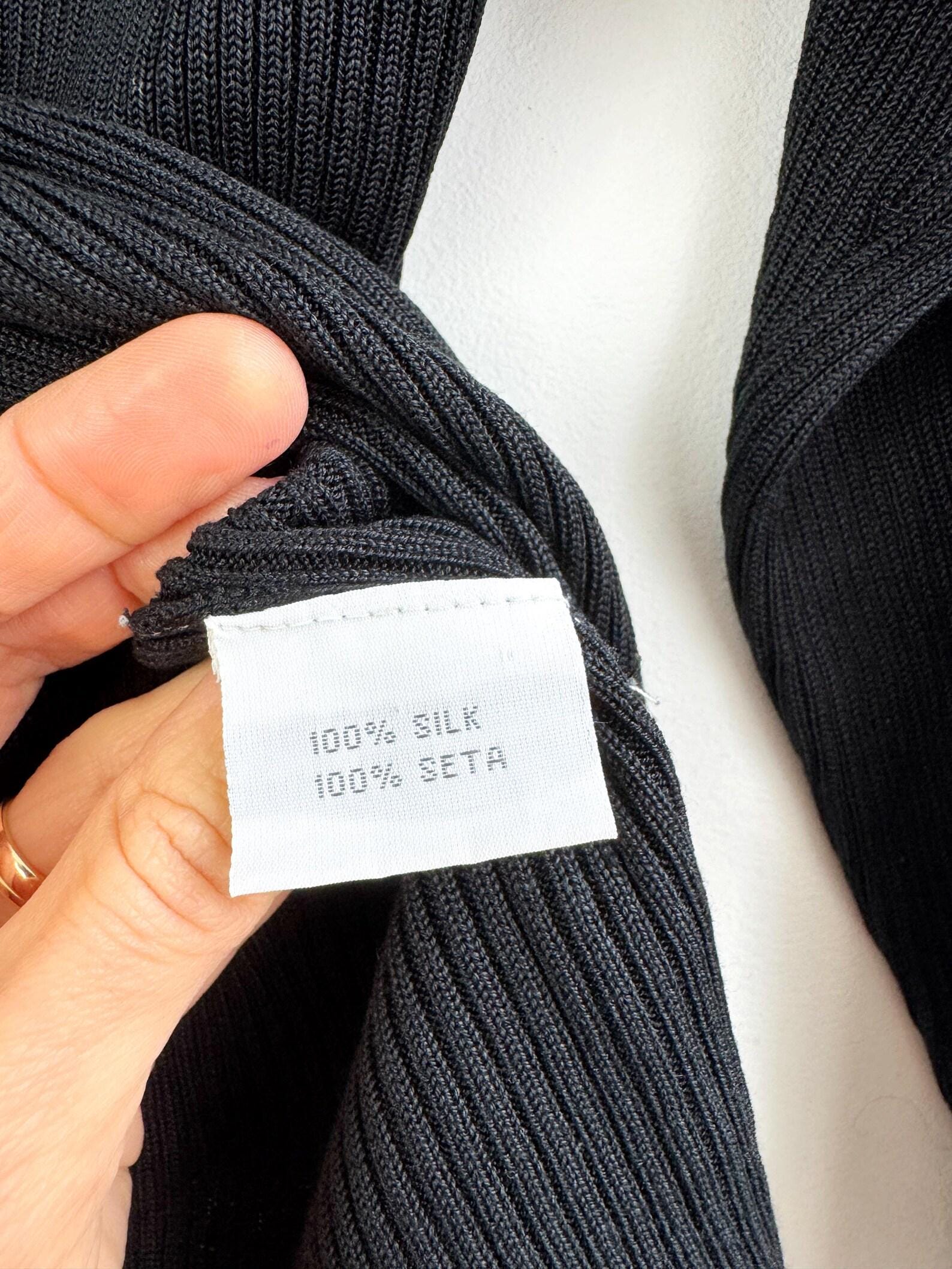
Natural fibers are the gold standard of vintage. They breathe better, age more gracefully, and feel superior on the skin. Look for labels that list:
- Animal Fibers: Silk, wool, cashmere, mohair, and alpaca. Animal fibers provide a coziness and warmth to a garment that you just can't replicate.
- Plant Fibers: Linen (Flax), cotton, ramie, jute, and hemp. I love these fabrics for the summer; they are so breathable and feel so natural. Creases? Don’t worry about them—they just go with the fabric.
- The "Good" Synthetics: Viscose/Rayon and acetate (often found in high-quality vintage linings and 1940s dresses). While these fibers are not truly natural (they are semi-synthetic), they are derived from natural cellulose that has undergone chemical processing.
Pro Tip: If a garment is 100% polyester or acrylic, it isn't necessarily "bad," but it should have exceptional construction to justify its place in a quality collection.
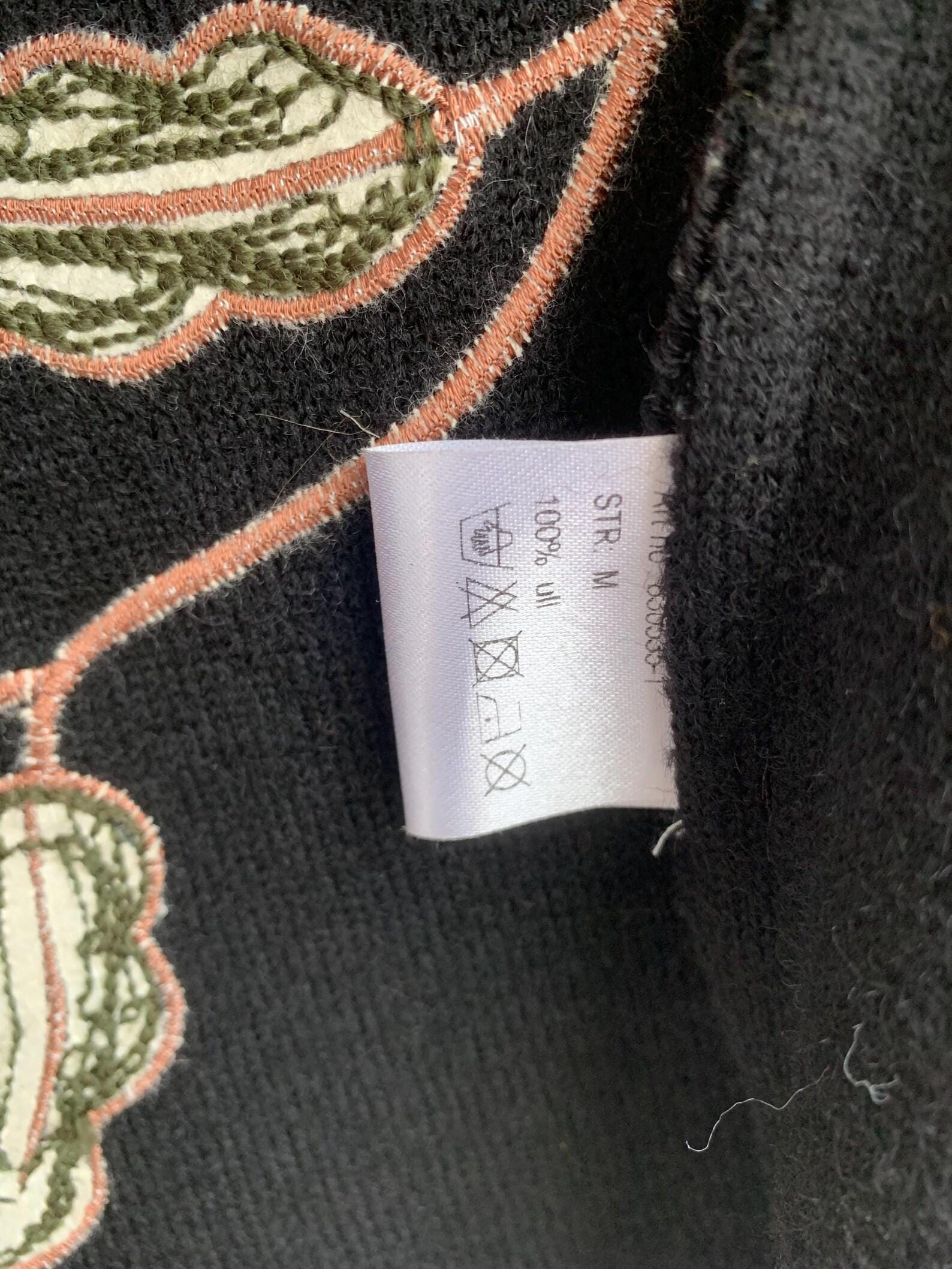
100% Wool Embroidered Zip Up Cardigan
Examine the Seams and Hems
Turn the garment inside out. This is where the secrets are hidden! Is the garment properly finished? Are all stitches in place?
- French Seams: In high-quality vintage (especially silk), the raw edges of the fabric are tucked away inside another seam, so you see no fraying.
- Generous Hems: Quality vintage clothes often have 2–3 inches of extra fabric at the hem. This allowed the original owner to tailor the length and added weight so the garment would "hang" perfectly.
- Serged vs. Raw: While modern clothes use "overlock" stitching, older high-quality pieces might have "pinked" edges (zigzag cuts) or hand-stitched finishes.
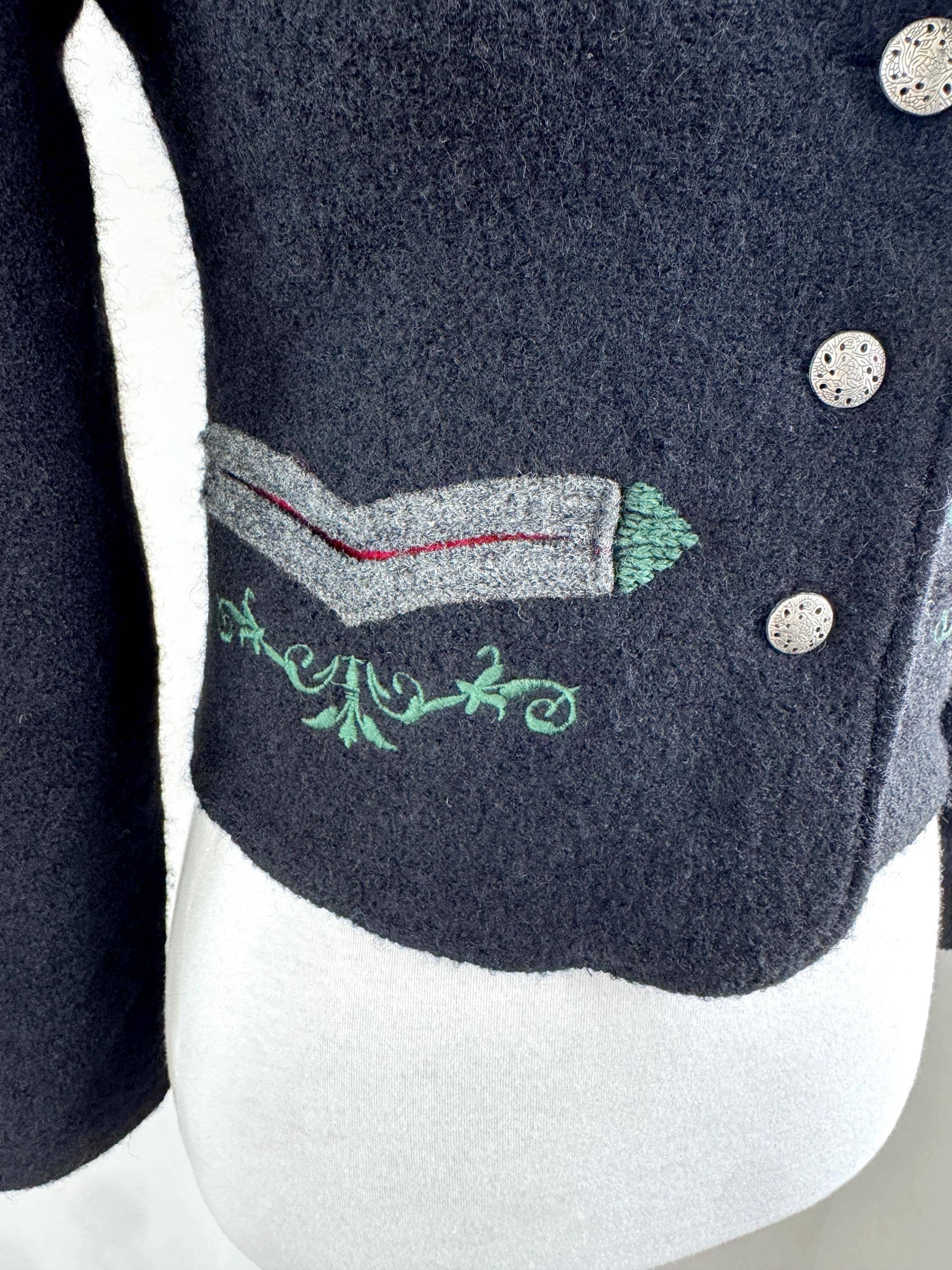
Embroidered Pockets of a Vintage Wool Blazer
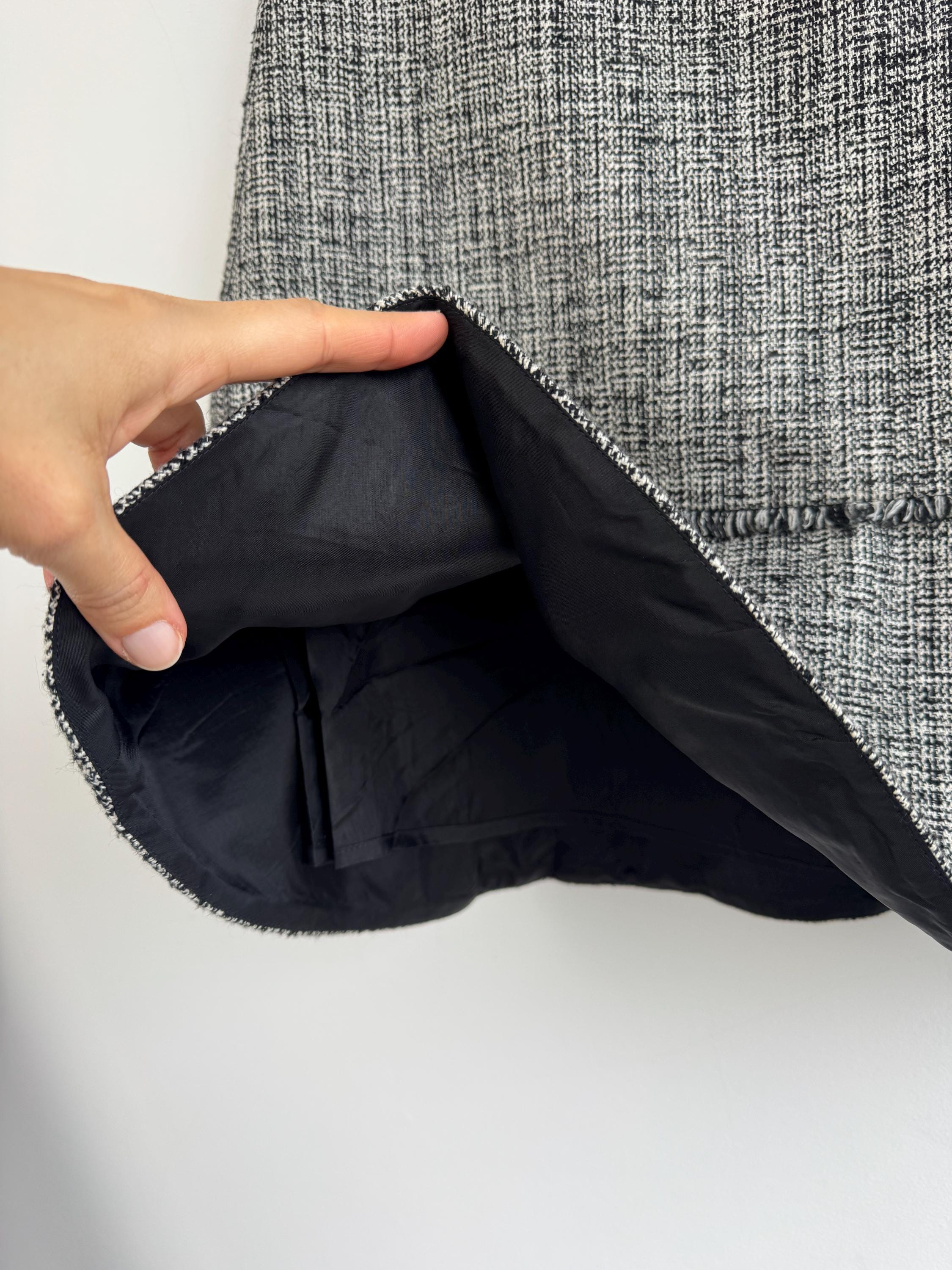
Beautifully finished lining of a vintage MaxMara wool tweed skirt
Hardware and Closures
Weight is often a sign of quality. Look for metal zippers, mother-of-pearl, or bone buttons.
- Zippers: Look for metal zippers (YKK, Talon, or CC). If a vintage piece has a heavy metal zipper, it was built for durability.
- Buttons: Are they plastic, or are they mother-of-pearl, wood, bone, or heavy metal? High-quality brands rarely use cheap, flimsy buttons.
- Buttonholes: Check if the buttonholes are tightly stitched and reinforced. On premium vintage coats, you may even find "bound buttonholes," which are finished with fabric rather than just thread.
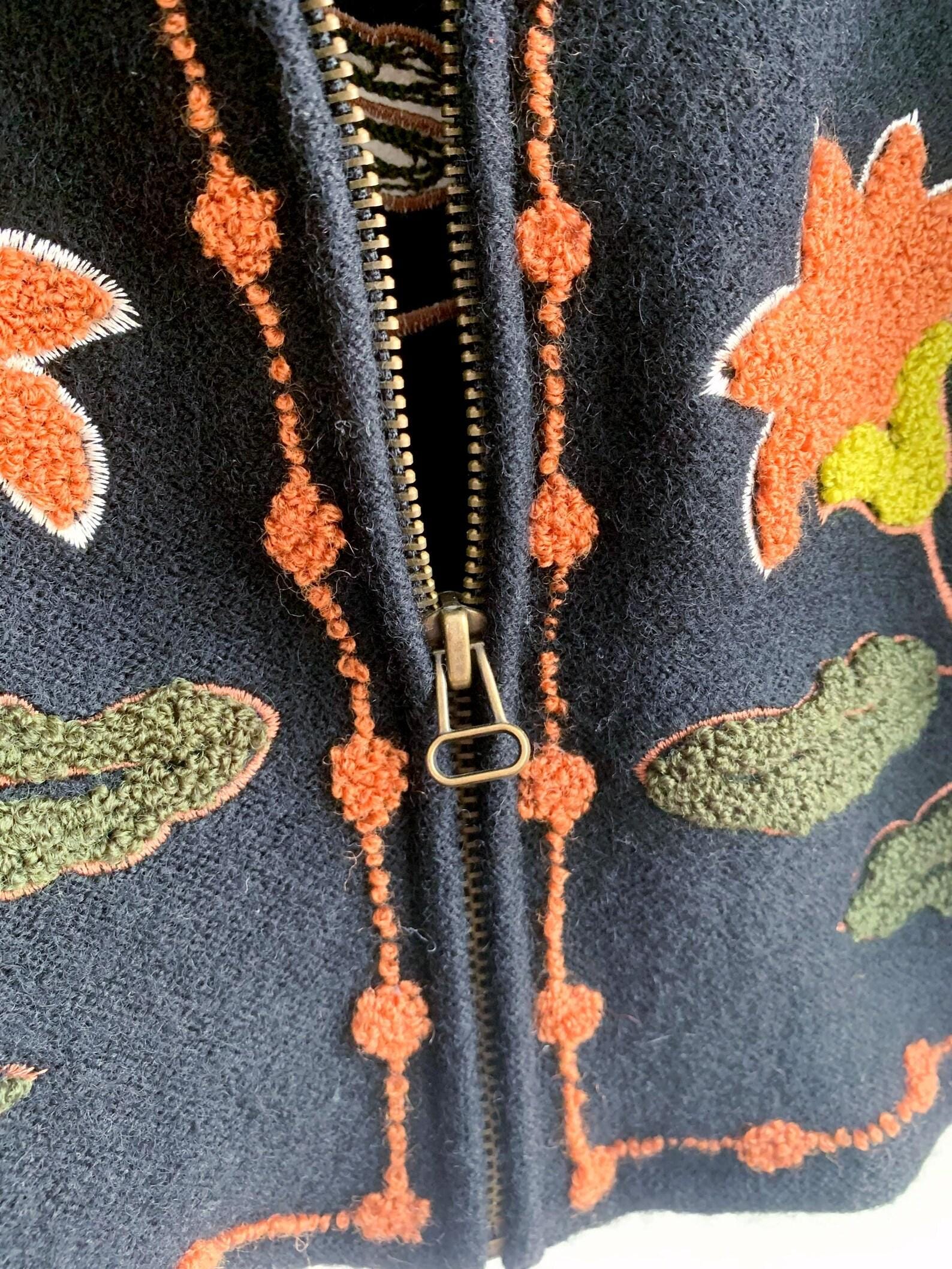
Solid brass zipper of a vintage 100% wool embroidered cardigan
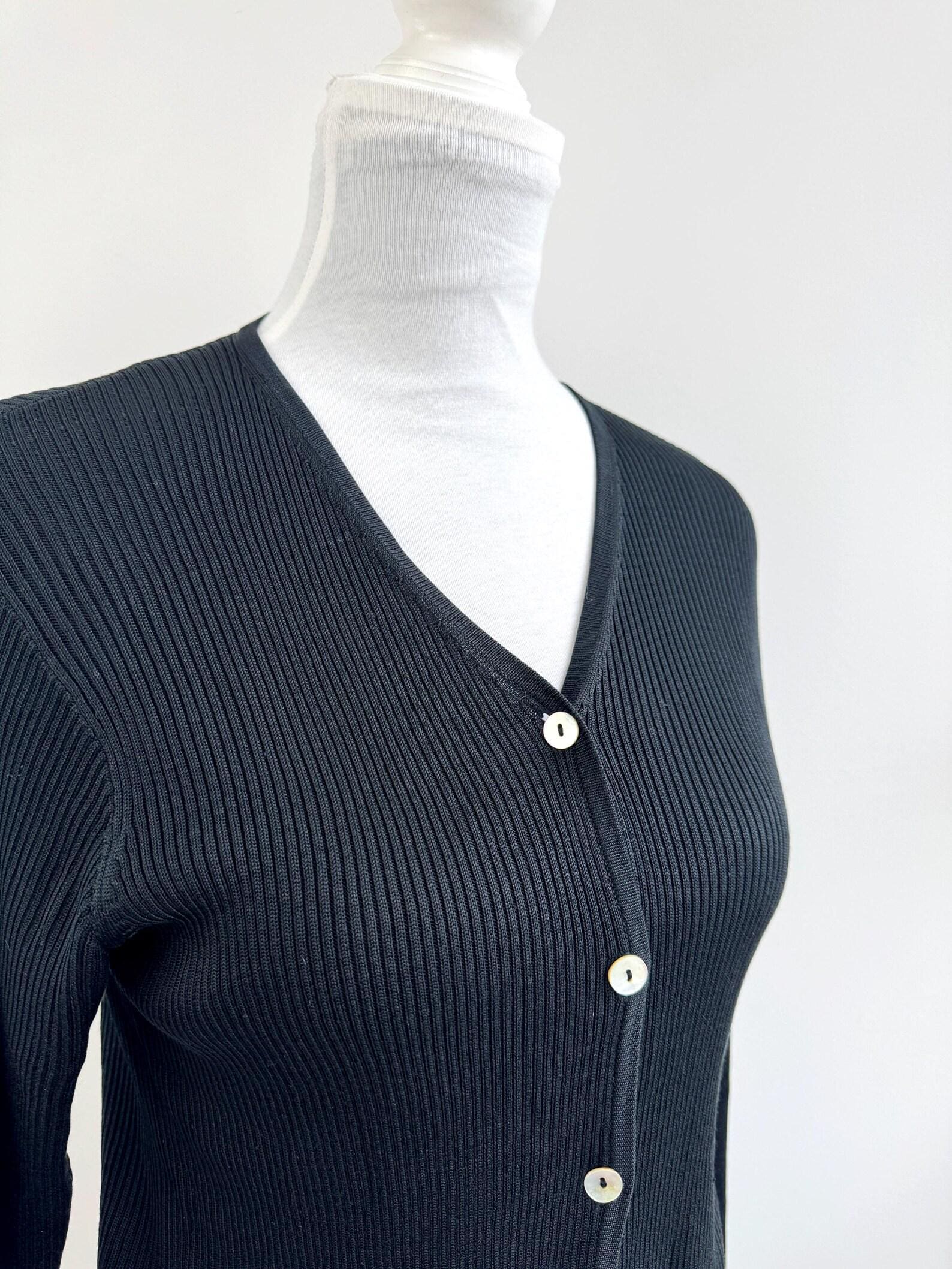
100% Silk Cardigan with natural Mother of Pearl Buttons
The Leather Finds
Leather bags, belts, and shoes are often the pieces we keep longest in our closets. It is worthwhile paying attention to the details when thrifting for vintage accessories:
- Leather Quality: Leather comes in different forms, but with a bit of observation, you can spot high quality. Is the leather sturdy and thick? Is it full-grain? If it’s suede, does it feel soft? Will it age beautifully?
- Hardware: Do the zippers and hardware look substantial? Are they metal or heavy brass?
- What’s hidden from the eye: Check the soles of the shoes—a Vibram sole is a gold standard for durability. Leather soles are always a winner, and many vintage Italian shoes have leather soles made to last.
- Lining: Always pay attention to the lining of the shoes or the bag. Was it just “thrown” in there, or was it crafted with care and stitched perfectly?
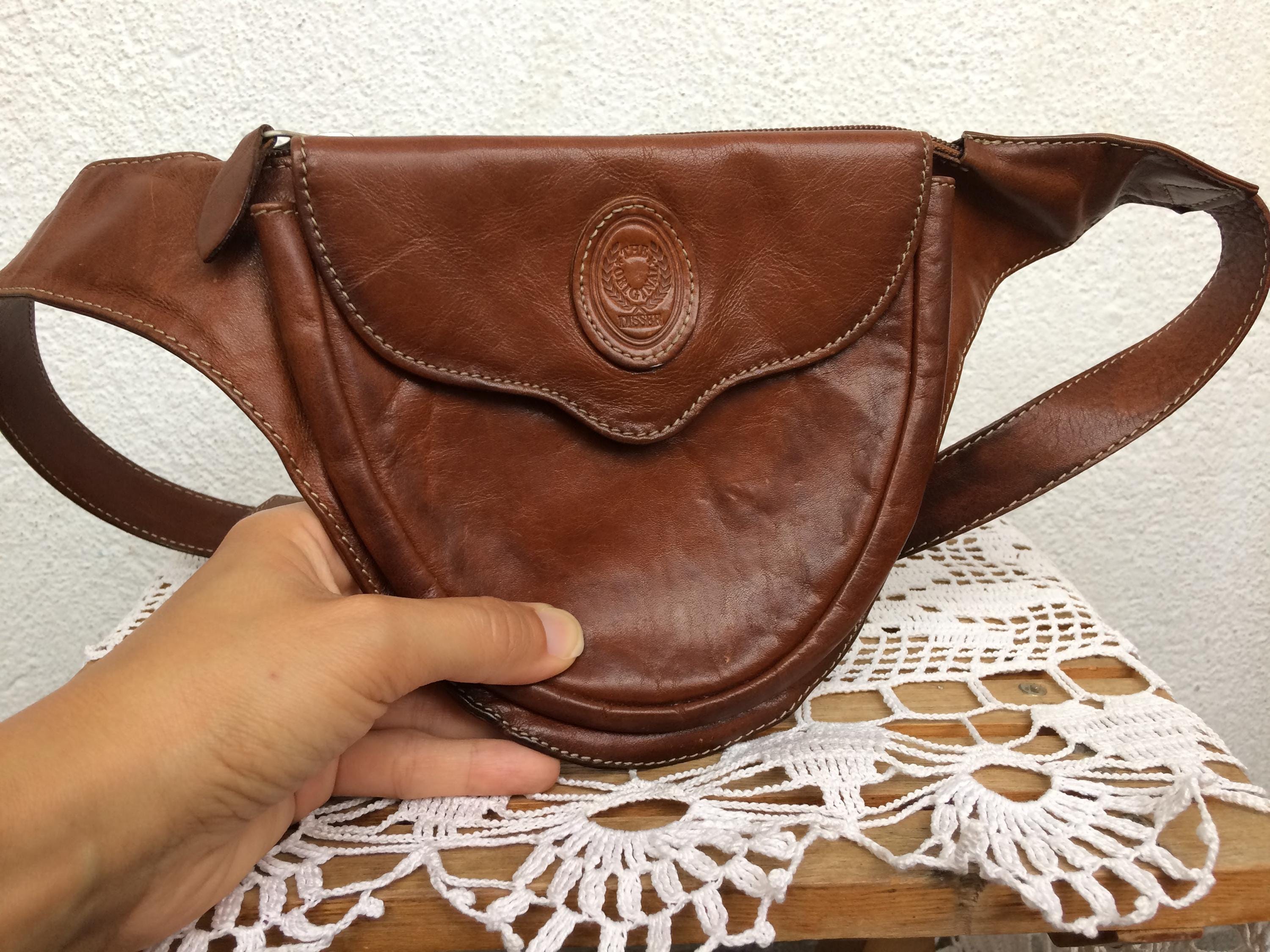
Vintage Sturdy Leather Fanny Pack
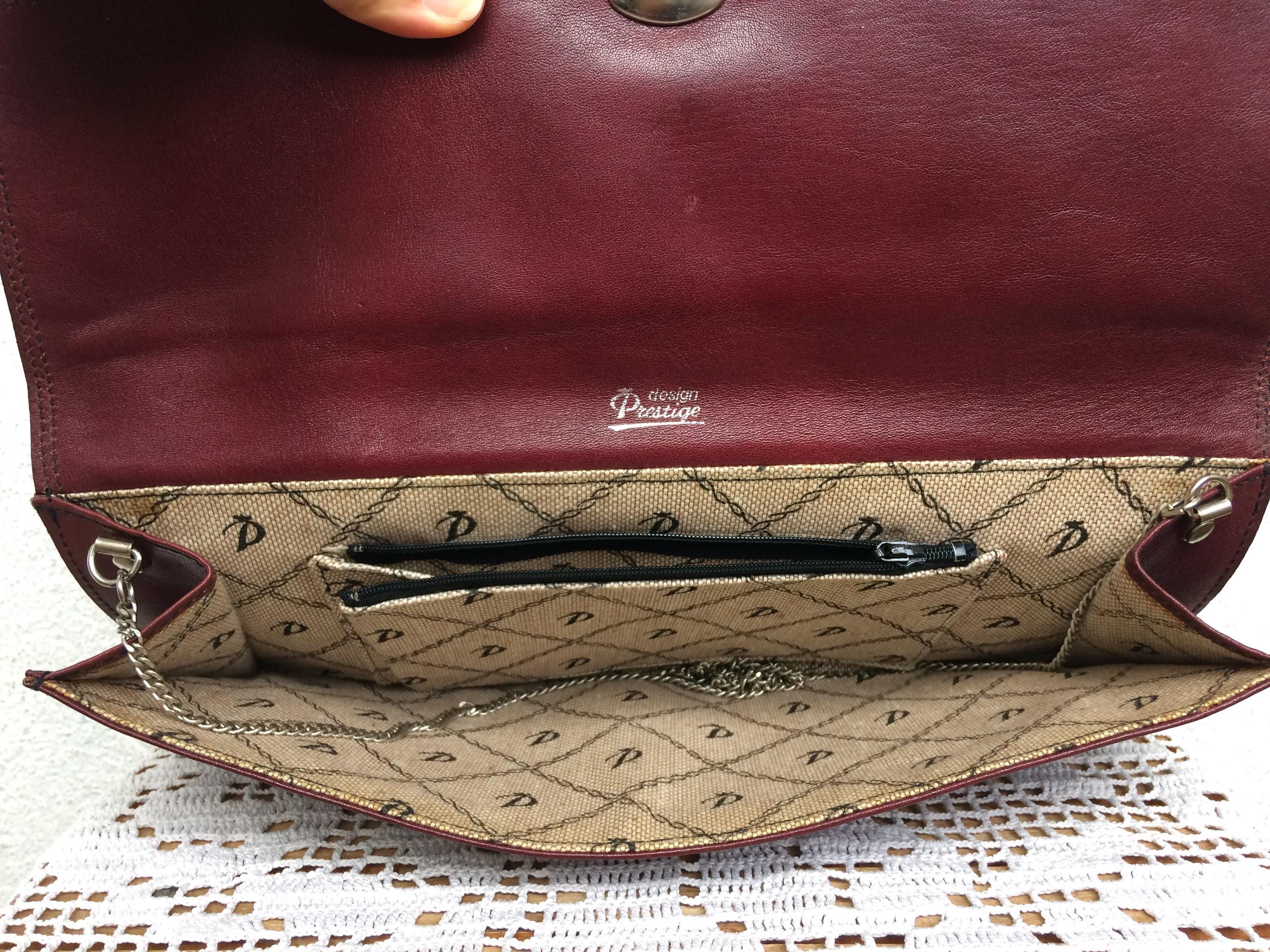
Interior of a Vintage Burgundy Leather Clutch Purse
The "Made In" Factor
Where a garment was made can tell you a lot about the era's manufacturing standards.
- Italy & France: Historically synonymous with superior knitwear and leather. This is something I look for specifically for my shop! Many of the vintage items in my collection were made in France and Italy.
- British Isles: The go-to for heavy wools, tweeds, and tartans. I love Scottish wool scarves—if I get my hands on one in good condition, I always grab it.
- USA & Union Labels: If you see a "Union Made" tag (the red, white, and blue ILGWU label), you are looking at a piece made under regulated labor standards with a high level of craftsmanship.
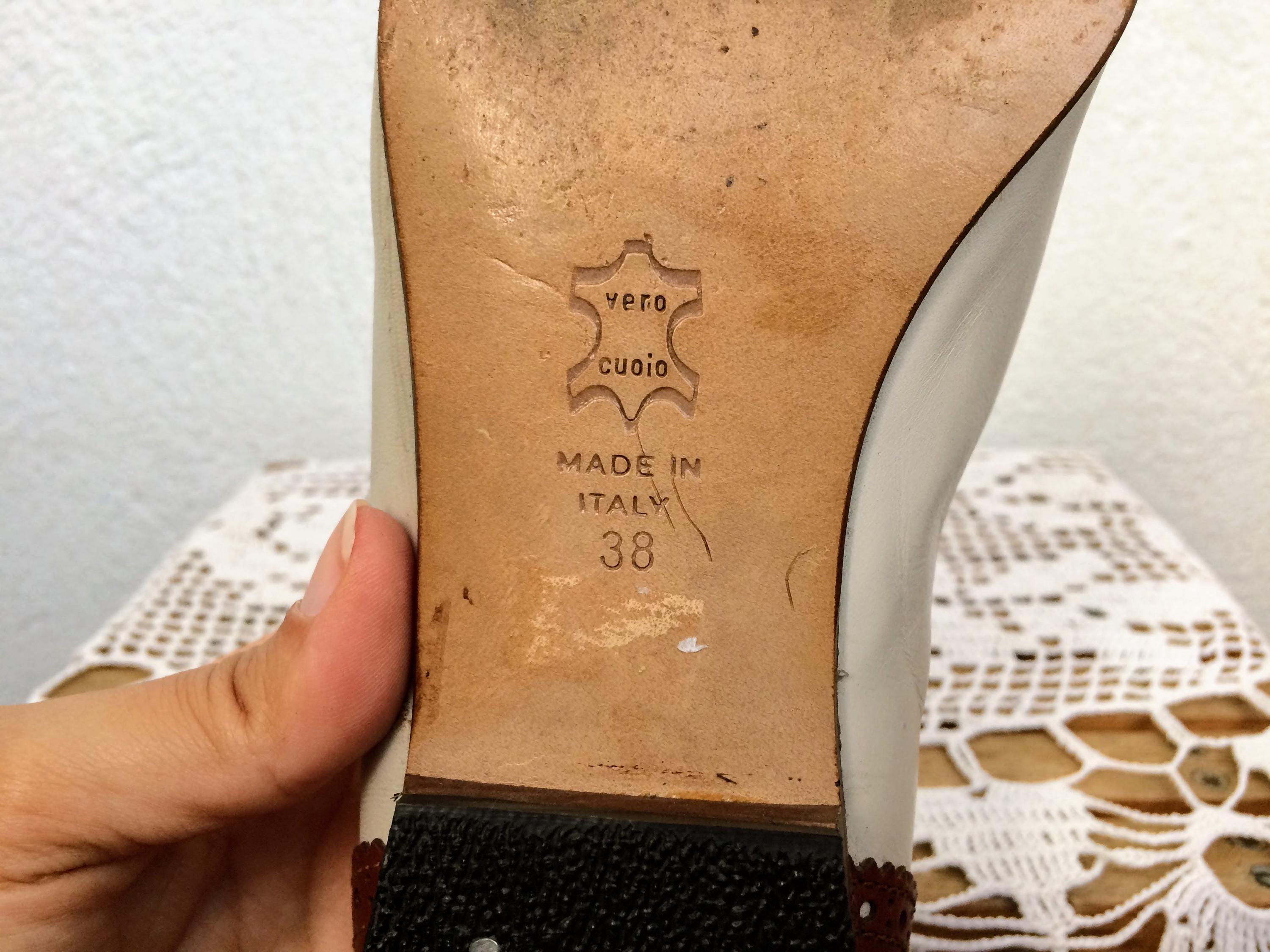
Real Leather (Vero Cuoio) Sole of "Made in Italy" Flat Leather Shoes
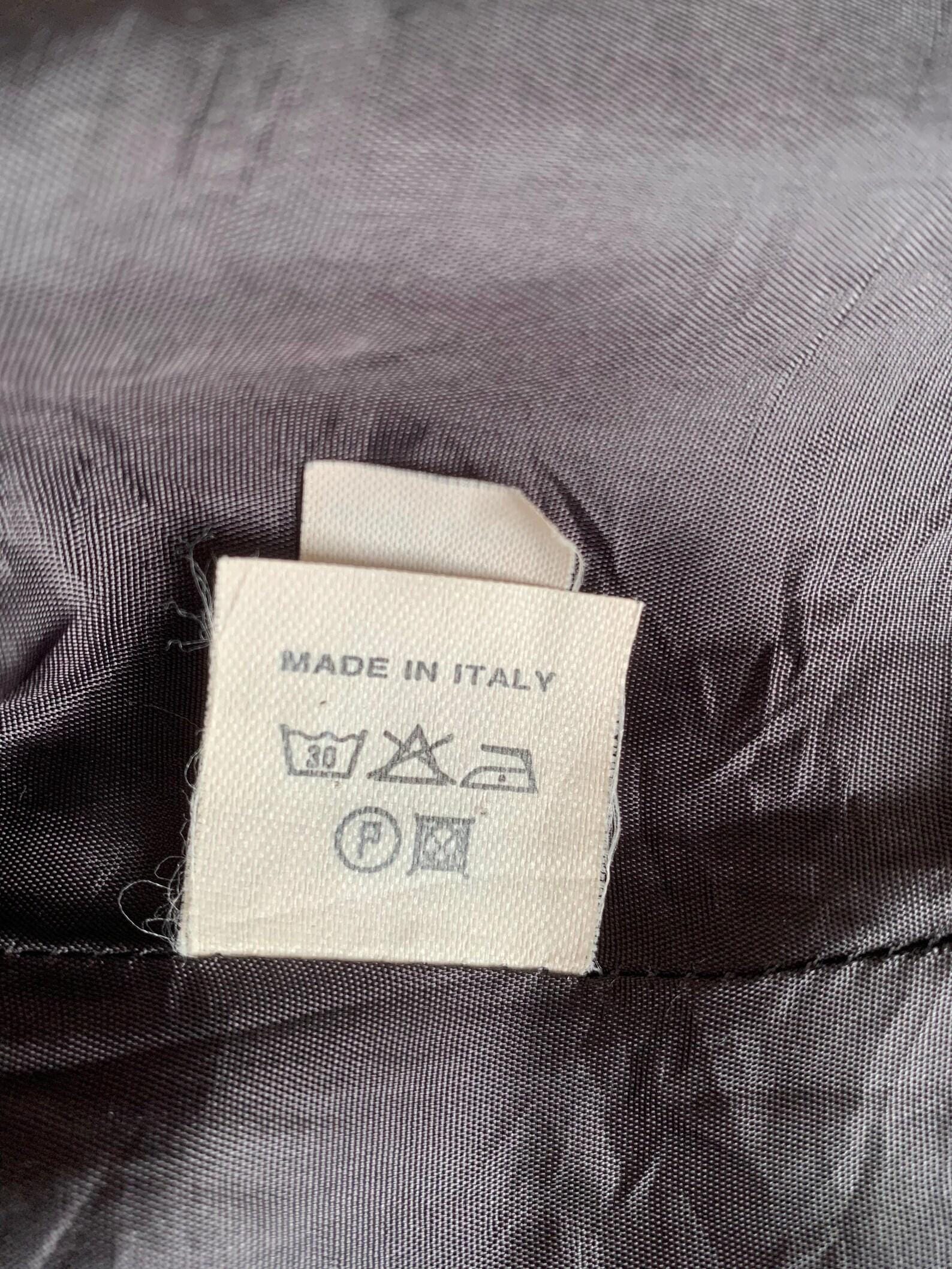
"Made in Italy" label of a vintage tailored waistcoat
Structure and Weight
Pick the item up. How does it feel? Does it feel substantial? Do you think it will last for the next decade—or even longer? A high-quality vintage blazer will have structured shoulder pads and a full lining. A quality knit should feel "dense" rather than "loopy" or thin. Even a delicate 90s slip dress should have a weight to the silk that keeps it from clinging static-electrically to your body.Finding quality vintage is a skill that develops with every piece you touch. By focusing on these details, you aren't just buying a trend—you're investing in a piece of fashion history which will last for decades to come.
P.S. Don’t forget that you are unique and special. There is only one YOU in the whole wide world! Have a unique taste? Found a vintage garment that does not quite check the list above, but you love it anyway? If it appeals to you, then it’s for you. You can make it work for your wardrobe. Don’t judge too quickly, have an open mind and always follow your intuition.
Explore my curated collection of high-quality vintage finds.https://www.blastfromthepastbags.com/